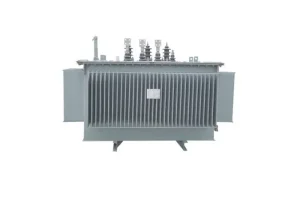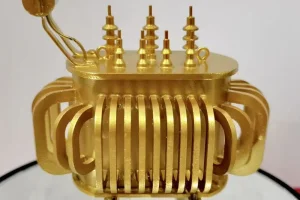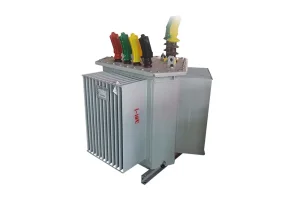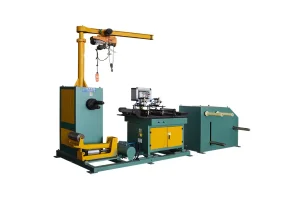
Discover Wuxi Shuhong Machinery's high-efficiency products, from amorphous alloy systems to precision steel slitting technologies.
An authoritative analysis of grid decarbonization, efficiency directives, and China's role in the manufacturing value chain.
As governments drive carbon-neutral targets, global power networks are shifting from unidirectional central grids to complex systems integrated with wind, solar, and battery storage. Standardizing on ultra-low-loss distribution transformers is critical to minimizing transmission losses across large regional networks.
Selecting amorphous metals over traditional CRGO (Cold Rolled Grain Oriented) silicon steel reduces no-load losses by up to 70%. Achieving this structural efficiency requires precise engineering, advanced annealing chambers, and high-frequency winding processes to manage magnetostrictive forces.
New energy installations globally must comply with rigorous efficiency protocols, such as the EU Ecodesign Tier 2 and US DOE 2027 mandates. China's transformer suppliers are updating their fabrication lines with CNC cross-cutting and custom foil winding to meet these strict specifications.
Deeply Developing the Machinery Industry, Empowering the Future of Energy
Located near the scenic Taihu Lake in Wuxi, a region known for its industrial heritage, Wuxi Shuhong Machinery Technology Co., Ltd. has developed specialized solutions for power distribution equipment. Established in 2018, the company focuses on technological innovation and customer service, providing advanced solutions in the electrical machinery sector.
Drawing on over ten years of industry experience, the founder transitioned from front-line technical development to operational leadership, recognizing early the global shift toward energy efficiency and automated production line configurations. Our products and service support are designed to meet the growing need for high-efficiency grid components.
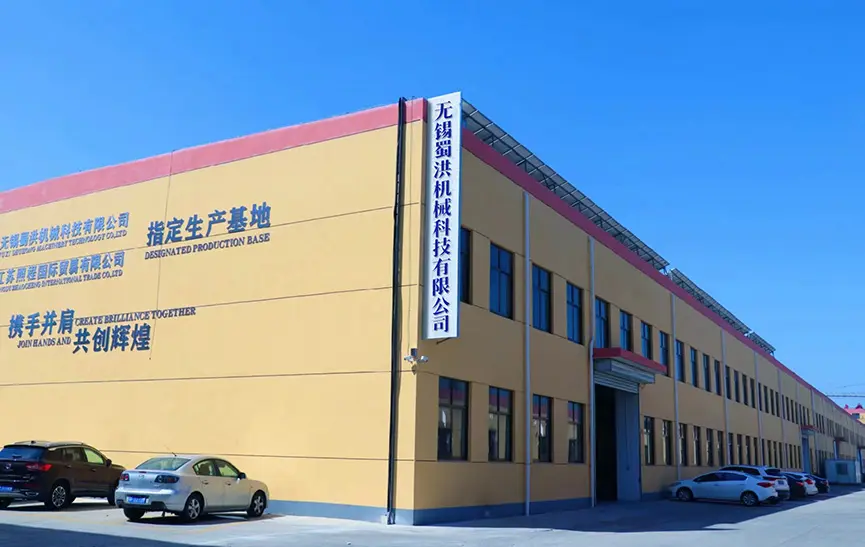
The founder's passion for machinery design and engineering solutions.
During his years managing frontline machine shops, the founder saw Chinese manufacturing shift from traditional assembly styles to high-precision engineering. Recognizing this, he directed resources toward automated solutions to reduce no-load grid losses.
During technical discussions for a State Grid pilot project, our engineers identified common failure modes in conventional transformer designs, specifically winding insulation wear caused by uneven heat dissipation and localized hotspots.
Through material testing and computational fluid dynamics (CFD) modeling, our R&D group developed a transformer design that demonstrated a 30% lower temperature rise and a service life exceeding 15 years under typical load conditions.
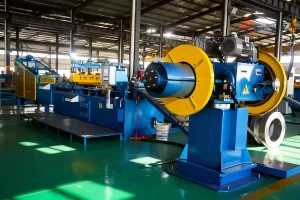
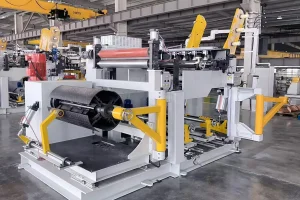
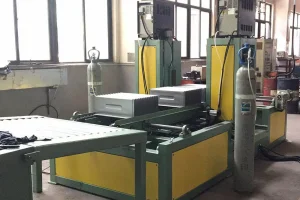
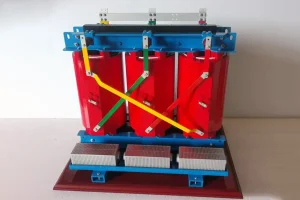
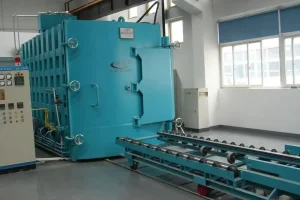
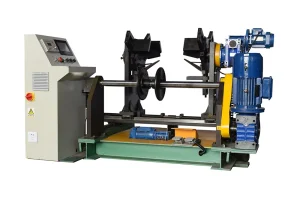
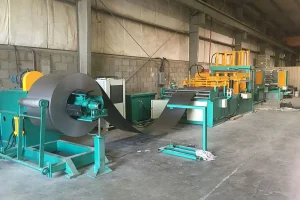
High-resolution views of our manufacturing floor and state-of-the-art transformer production tooling.
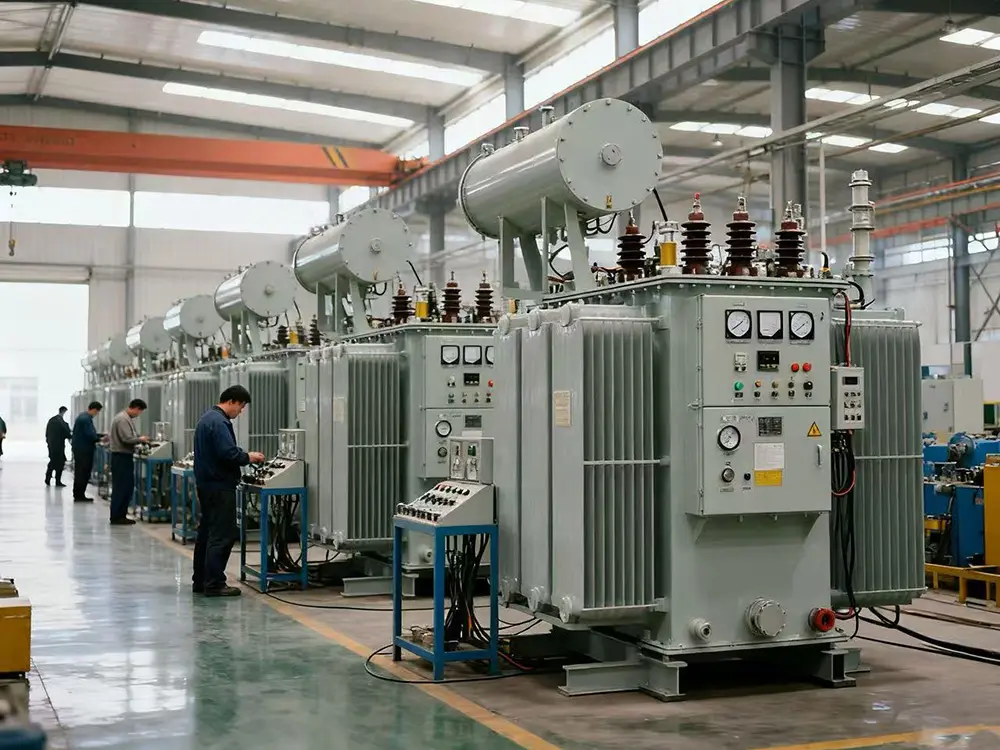
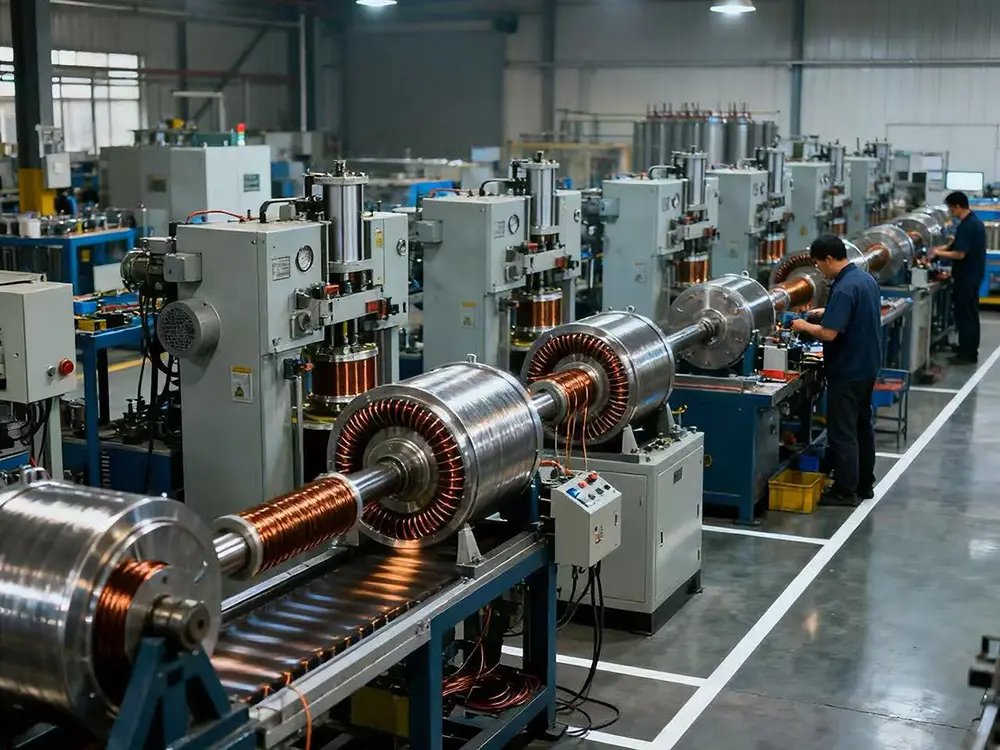
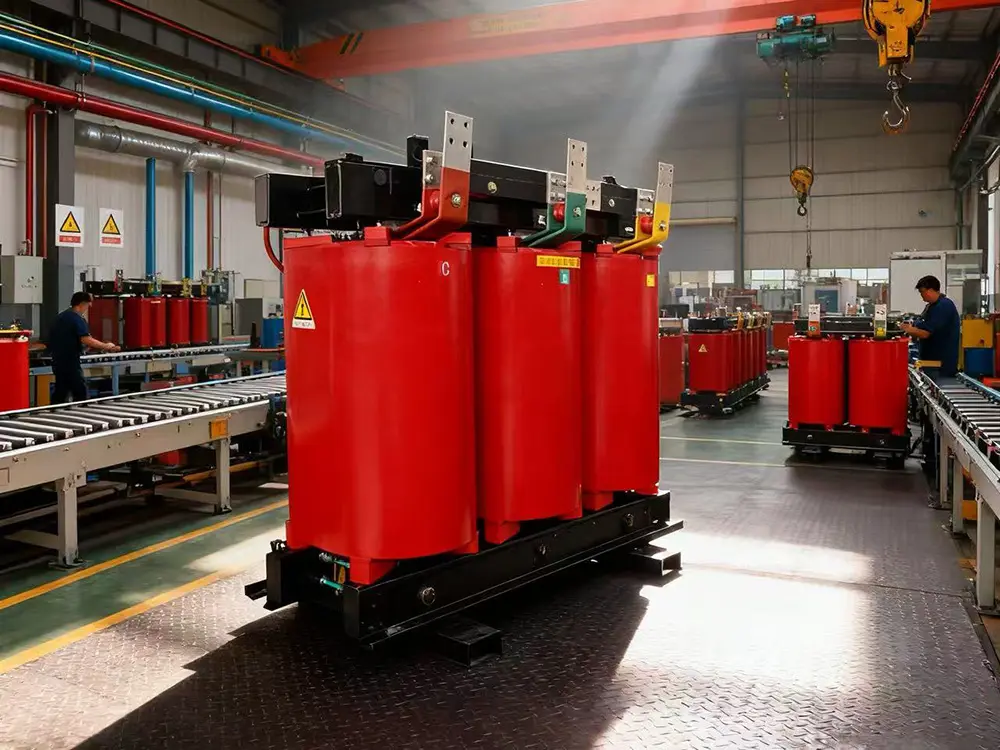
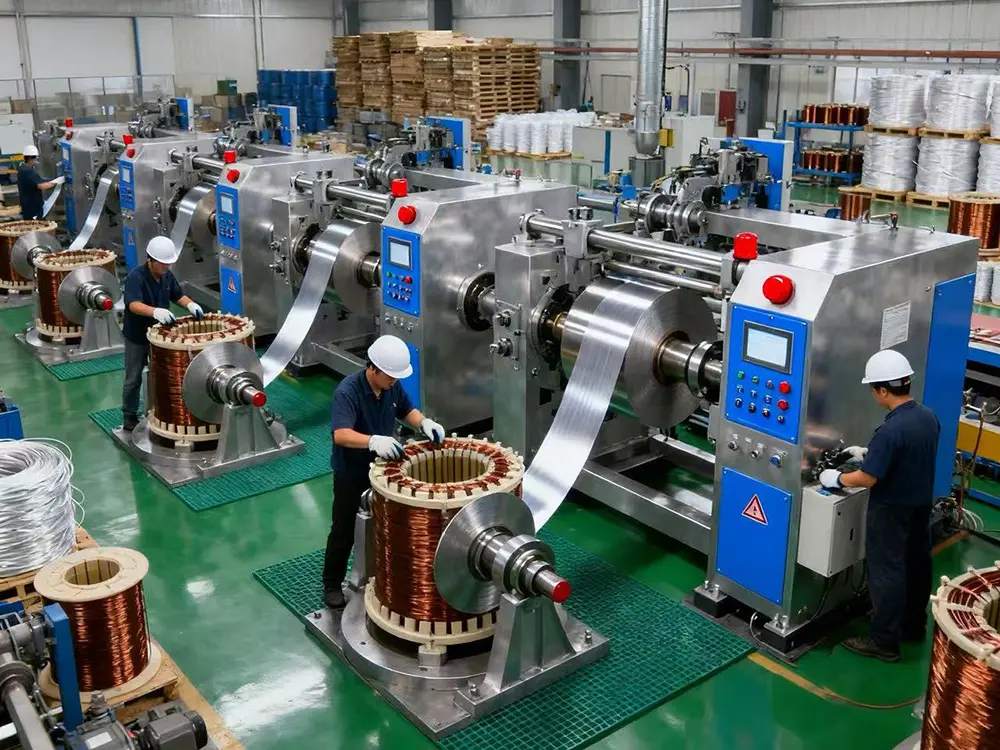
Wuxi Shuhong Machinery has established a comprehensive R&D-design-production-sales-service industrial chain. By managing the primary manufacturing steps internally, we ensure quality control and process traceablity.
Our engineering team focuses on insulation systems and heat management, with products matching key national and international utility requirements. Shuhong products support grid operations and new energy integration in over 2,000 installations.
From initial design to final testing, our processes are structured to deliver reliable, efficient operation in the field.
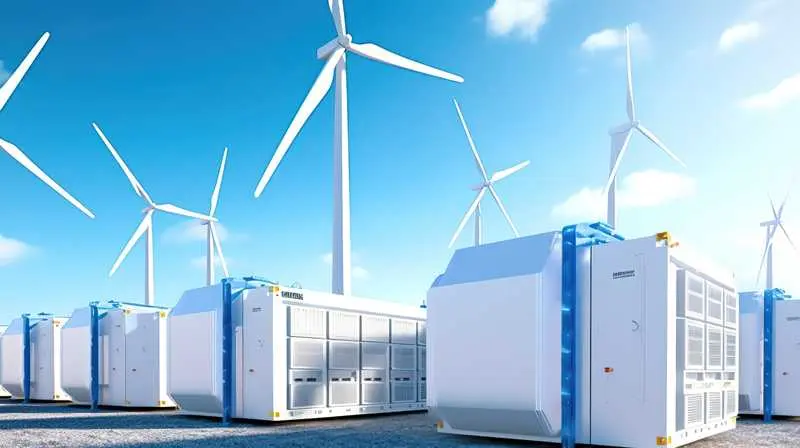
How our advanced transformer technology resolves engineering bottlenecks in global grid installations.
Fluctuating loads from solar and wind generation can stress traditional insulation systems. Our 3D triangular rolled core transformers maintain stable thermal profiles under variable inputs, reducing mechanical wear from grid fluctuations.
Heavy duty motors and arc furnaces generate harmonic distortion. Shuhong custom coil winding patterns reduce stray current heating and minimize magnetic leakage, helping protect critical system infrastructure.
Indoor installations require safety configurations. Our dry-type, leak-free transformers eliminate the risk of oil spills and flash fires, meeting building regulations for high-density commercial and residential complexes.
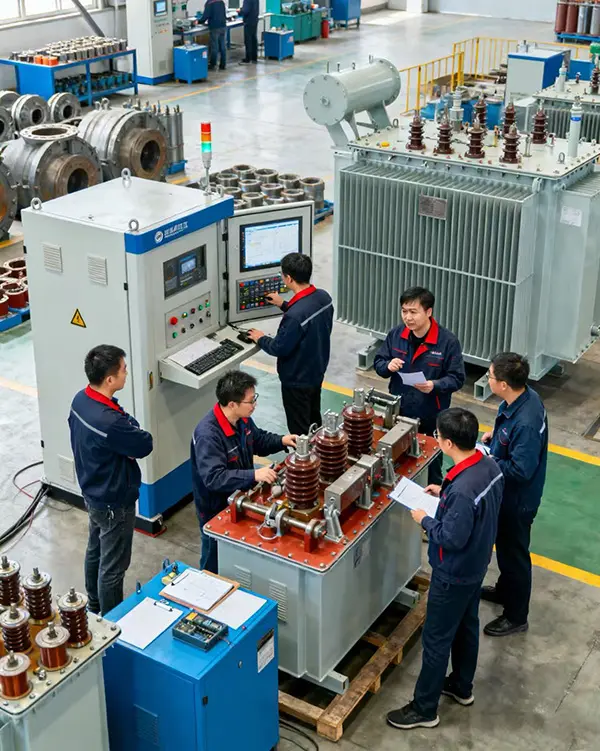
People-Oriented, Building an Efficient and Collaborative Team
Shuhong Machinery bases its development on the principles of team cooperation and technical training. We support project development through several key strategies:
Customer feedback on our engineering and service delivery.
"By switching to Wuxi Shuhong's amorphous alloy transformers, we reduced our substation's standby losses by 27%. The dynamic winding controls on their assembly tooling have helped maintain consistent equipment standards across our projects." — Technical Director, Grid Systems GroupRequest Technical Specifications
Staying True to Our Original Aspiration and Striving for Greater Goals
Looking forward, Shuhong Machinery will maintain its focus on the manufacturing quality and technical performance of our electrical equipment.
We plan to continue investments in winding and cutting automation, expand international market support, and cooperate with industrial partners to provide efficient distribution grid solutions.
Detailed answers to technical questions about core configuration, design standards, and operational considerations.
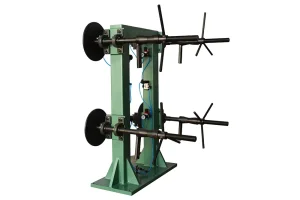
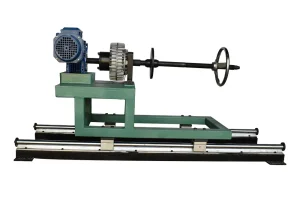
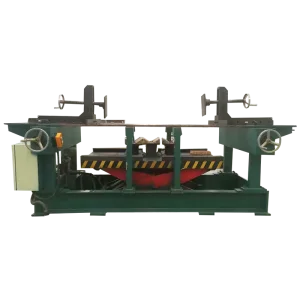
Browse our complete range of specialized equipment, tension stands, and core assembly systems.