Explore our core selection of industrial-grade transformers and high-precision production machinery direct from Wuxi Shuhong
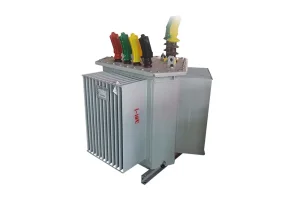
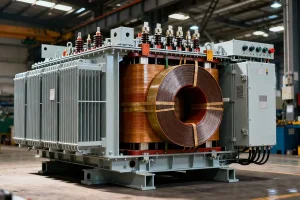
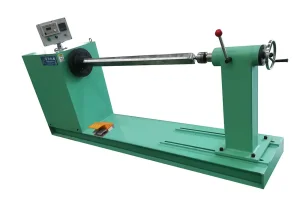
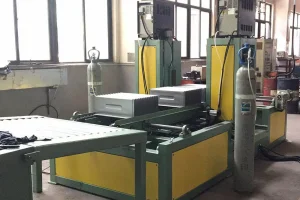
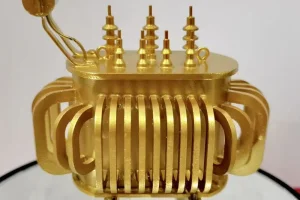
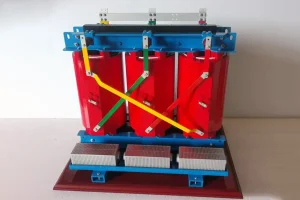
Modern electrical grids demand unparalleled efficiency, structural reliability, and cost-effectiveness. In the realm of industrial infrastructure, the search for a "cheap" power system transformer is often misunderstood. Procurement directors and electrical engineers understand that true cost-efficiency—or "cheapness" in a professional context—does not mean compromising on insulation or raw core materials. Instead, it refers to the minimization of the Total Cost of Ownership (TCO) through engineering breakthroughs.
By focusing on advanced topologies, such as 3D triangular rolled cores and planar wound cores, energy losses are drastically reduced. Over a standard 15-to-20-year deployment lifecycle, these design enhancements prevent cumulative operational heat degradation and core losses. This directly leads to substantial utility savings that offset initial capital investment. Wuxi Shuhong Machinery Technology Co., Ltd. sits at the intersection of this technology curve, delivering high-performance machinery and transformer designs optimized for modern electrical networks.
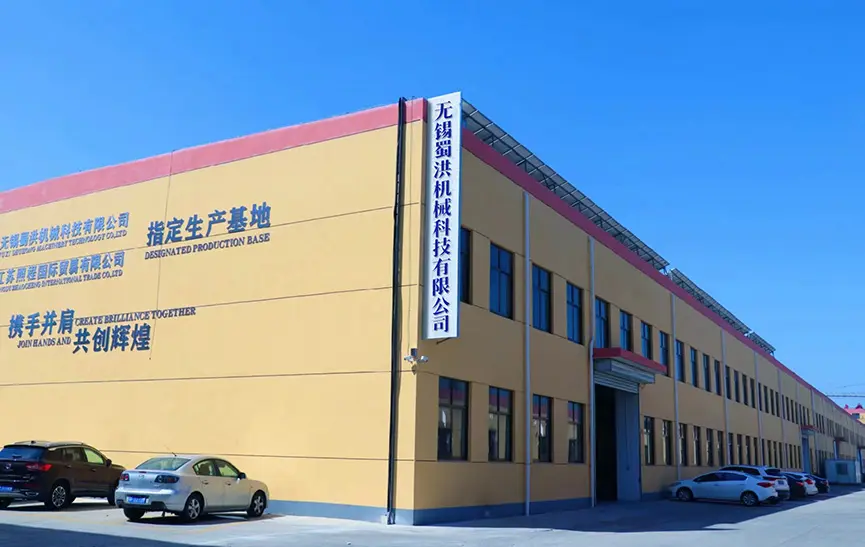
Established in 2018 on the shores of Taihu Lake in Wuxi—a region known as the "Land of Fish and Rice" and globally recognized as an industrial manufacturing powerhouse—Wuxi Shuhong Machinery Technology Co., Ltd. has grown into a key technical enterprise. The company's trajectory is built on technical innovation and custom-engineered services in the specialized fields of electrical machinery and manufacturing automation.
The company's foundation lies in the deep technical expertise of its leadership. Drawing on more than ten years of hands-on experience, the founder observed the transition of Chinese manufacturing from replicating standard industrial templates to pioneering high-efficiency, smart machinery.
The critical pivot occurred during a collaborative state project exchange focused on grid infrastructure. Traditional oil-immersed and dry-type transformers suffered from thermal dissipation challenges and core degradation, leading to shortened operational lifespans and unstable grid metrics. Recognizing the urgent market need for energy-efficient, robust equipment, Wuxi Shuhong invested heavily in developing specialized machinery and transformers designed to withstand thermal and electromagnetic stress. The resulting systems demonstrated a 30% lower temperature rise and an extended 15-year operational lifespan under variable load profiles.
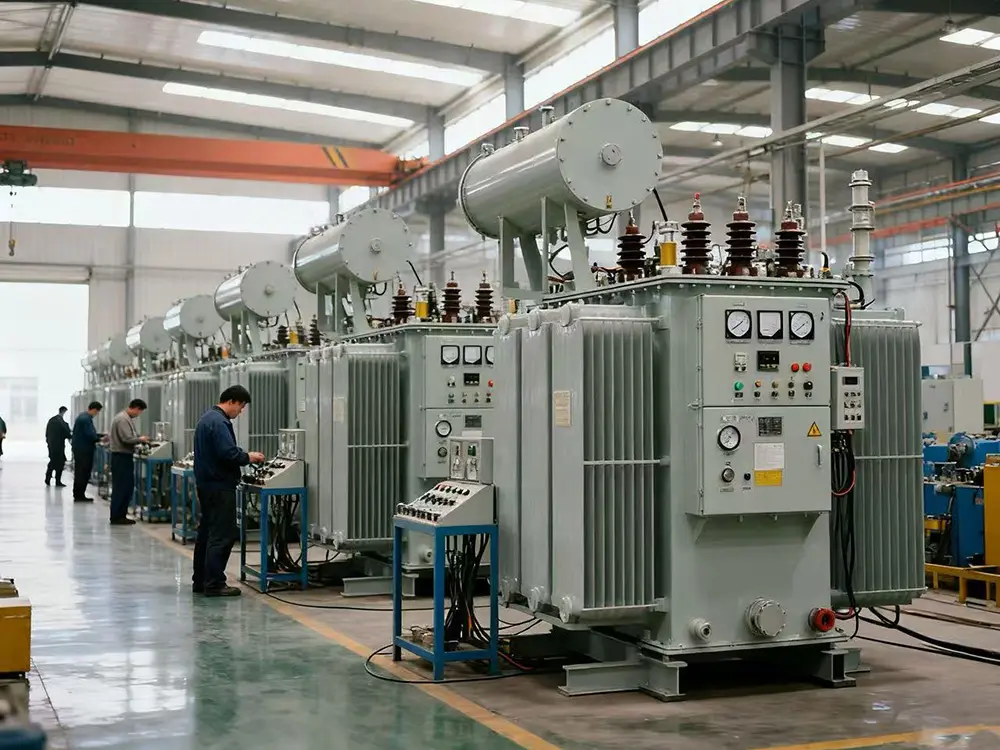
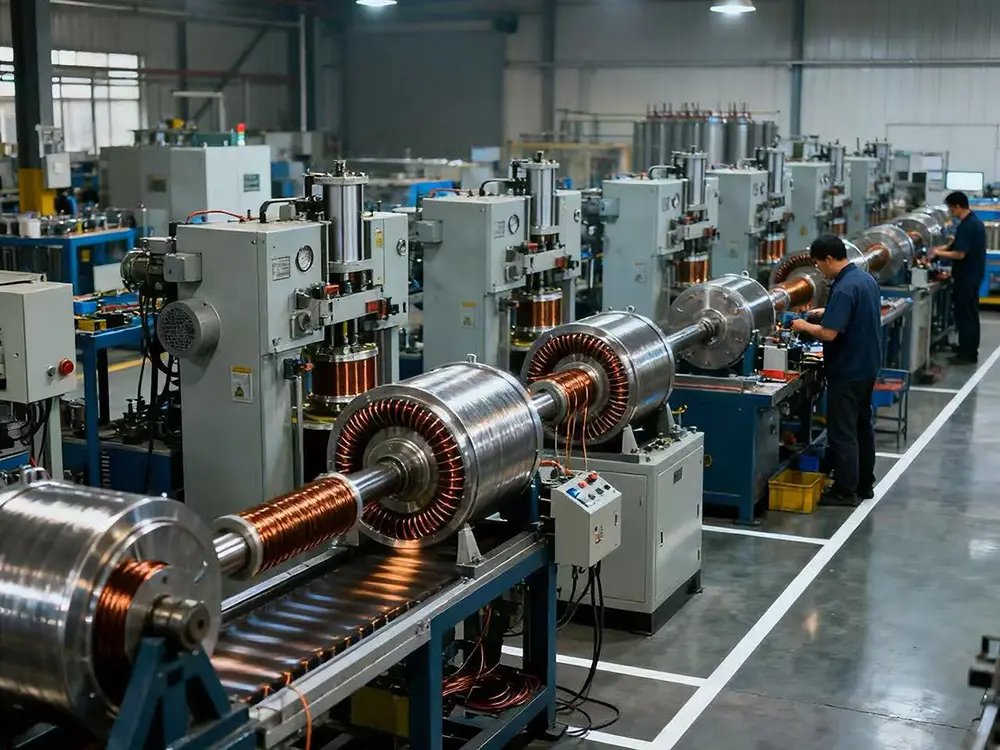
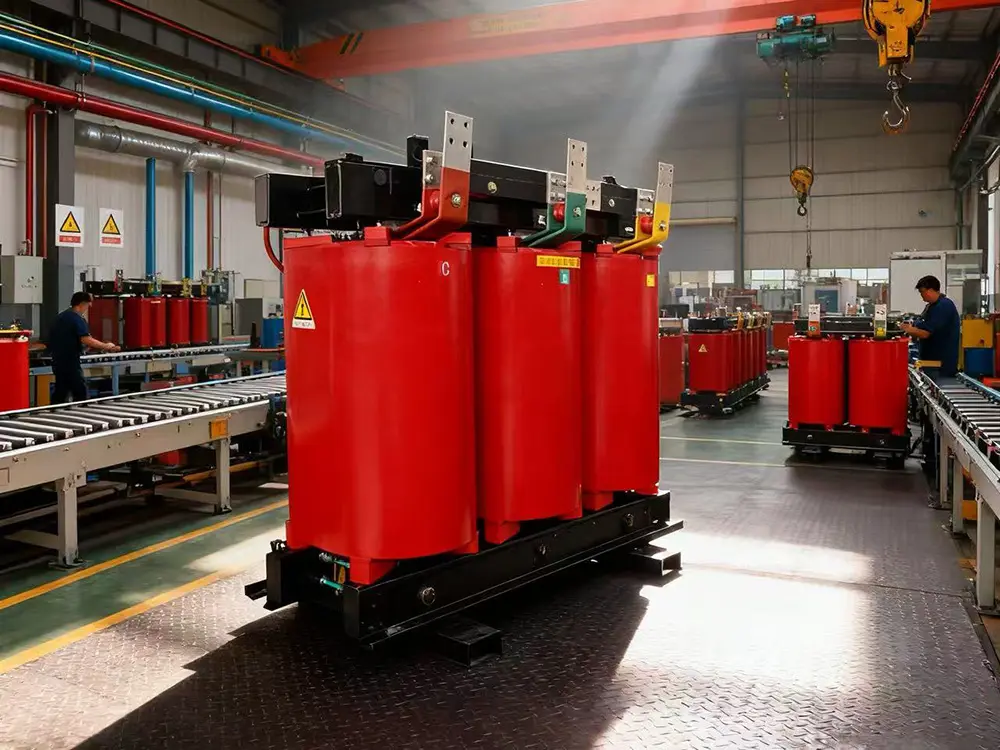
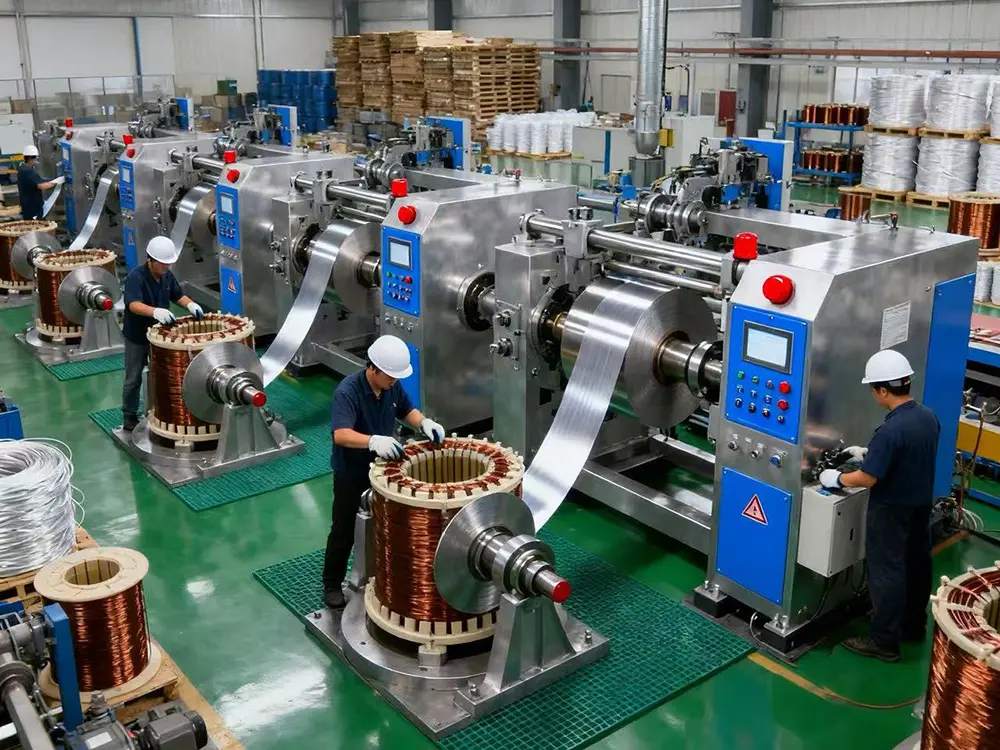
Analyzing key advancements in magnetic flux pathing, material utilization, and insulation performance
By arranging three identical wound core rings in a three-dimensional equilateral triangular shape, magnetic paths become completely symmetrical. This eliminates the phase unbalances typical of planar-stacked designs, reducing no-load losses by up to 25% and cutting structural noise.
Integrating amorphous metal ribbons instead of conventional grain-oriented silicon steel reduces hysteresis and eddy current losses. The non-crystalline molecular structure allows easy magnetization, making it highly effective for municipal networks with fluctuating load patterns.
Planar wound designs feature flat profiles that maximize heat dissipation surface area. This physical geometry allows the transformer to handle larger current density peaks without requiring complex forced-liquid cooling systems.
A step-by-step overview of our quality control and production process
Building high-durability power systems requires strict control over every stage of manufacturing. At Wuxi Shuhong, we employ high-precision CNC slitting and tension-controlled winding setups to prevent structural variations that cause hot spots or insulation failure under load.
The process flow is designed to ensure structural stability and electromagnetic efficiency, meeting international safety and grid performance standards:
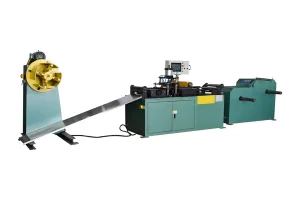
Precision slitting of silicon steel or amorphous alloy coils using custom CNC equipment to ensure clean, burr-free edges.
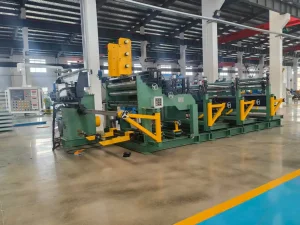
Continuous core wrapping on high-precision tension-controlled machines to maintain structural density.
Thermal processing in protective-atmosphere ovens to relieve internal mechanical stress and restore magnetic properties.
Layering high and low-voltage copper or aluminum conductors onto the annealed cores using automated winding machines.
Integrating active core-coil structures with lead routing, insulation barriers, structural framing, and tank clamps.
Vacuum baking to remove lingering moisture from cellulose insulation boards and paper wraps before tanking.
Filling the tank with degassed dielectric fluid under vacuum to eliminate air pockets and guarantee high insulation strength.
Comprehensive verification tests including insulation resistance, ratio, phase relationship, and dielectric tests before shipment.
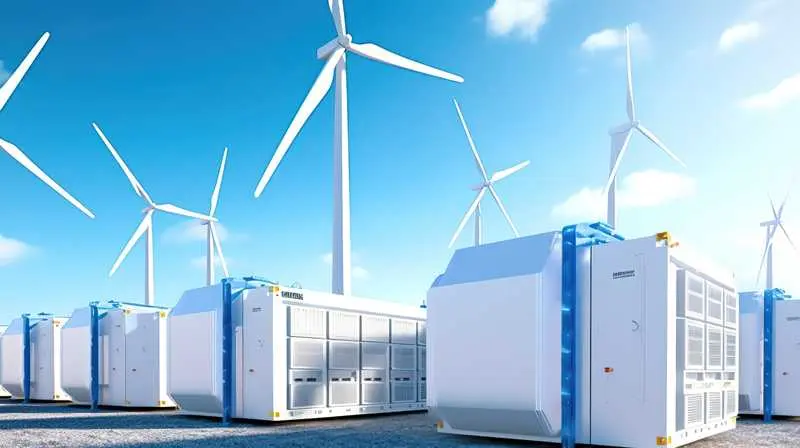
Custom solutions tailored for different grid environments and industrial sectors
Our planar and 3D triangular rolled core transformers are optimized to handle the unpredictable, cyclical load variations typical of wind and solar installations. They provide grid connection points that reduce reactive power losses and withstand high harmonic levels.
For high-load environments like chemical processing, manufacturing, and smelting plants, Shuhong's oil-immersed transformers feature robust tank designs and corrugated radiator panels that prevent thermal runaways during continuous, heavy-duty operation.
Designed for compact city layouts, our dry-type and custom planar wound transformers offer high power density with a reduced physical footprint. They operate quietly and present zero risk of oil leakage, making them suitable for high-density commercial developments.
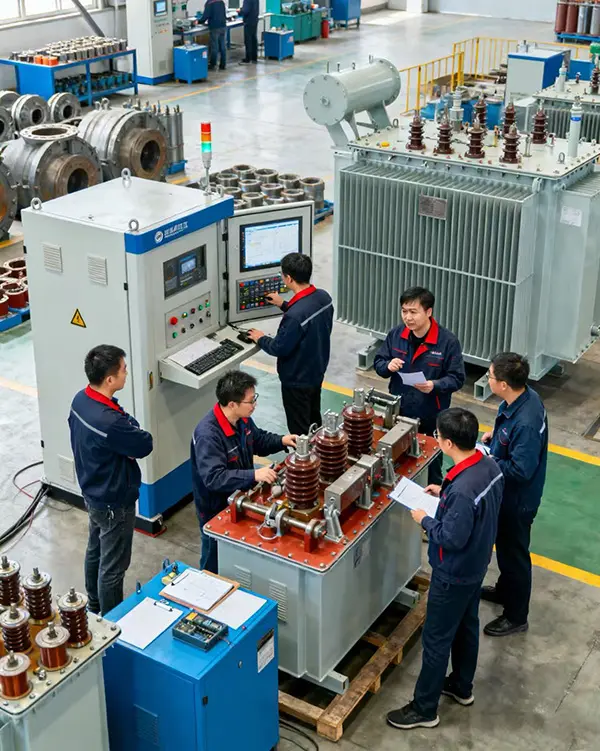
Why is Wuxi Shuhong capable of offering high-performing power system equipment at competitive prices? The answer lies in the structural strengths of our vertically integrated manufacturing cluster. Located in Wuxi, Jiangsu Province, Shuhong operates within a specialized industrial hub, granting direct access to premium magnetic steel coils, high-grade winding conductors, and specialized dielectric fluids.
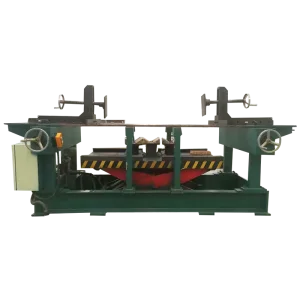
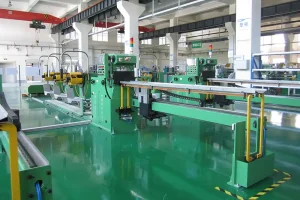
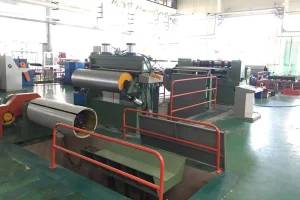
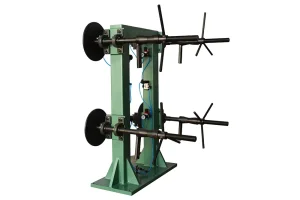
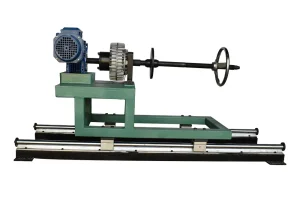
Unlike manufacturers that rely on third-party suppliers for core machinery, Wuxi Shuhong designs and manufactures its own production systems. Our lineup of CNC steel coil slitting equipment, automatic corrugated sheet welding systems, and multi-layer winding machines allows us to control production quality and minimize capital expenditures. We pass these operational savings directly to our global clients, offering cost-effective solutions without compromising on raw material standards or testing precision.
Additionally, our streamlined logistics network, with proximity to the deep-water shipping channels of Shanghai and Ningbo, ensures secure, efficient international delivery with minimal transit overheads.

As international energy policies drive toward decarbonization and higher grid efficiency, the demand for high-efficiency transformers is growing. Future power distribution systems require smart capabilities, low idle losses, and biodegradable insulation systems.
Wuxi Shuhong's development roadmap focuses on the integration of ester-based natural oil insulation. Unlike traditional mineral oils, natural esters are biodegradable and have a higher fire point, reducing environmental risks in sensitive areas.
At the same time, we are integrating fiber-optic temperature sensors and smart monitoring interfaces into our high-voltage designs. This allows maintenance teams to track thermal conditions and load cycles in real time, supporting predictive maintenance and maximizing grid reliability.
Address key technical questions about transformer selection, optimization, and mechanical design
Traditional stacked cores feature joints and sharp 90-degree corners in their magnetic path layouts, which create localized flux distortions and increase magnetic resistance. In contrast, the 3D triangular wound core is formed by wrapping continuous silicon steel or amorphous metal ribbons around a circular mandrel, completely eliminating joints in the main magnetic path.
The symmetrical three-dimensional shape ensures that the three phase-legs are equal in length and layout, resulting in balanced three-phase magnetizing currents. This configuration reduces no-load losses by 20% to 30%, lowers excitation current requirements, and reduces core vibration noise.
The decision depends on installation location, environmental restrictions, and local fire regulations:
Our custom vertical and horizontal winding machines feature high-precision tension control systems. Tension variations during winding can cause loose areas or damage the enamel coating on conductors, leading to partial discharges under high voltage.
Our systems maintain stable tension across the entire winding process, ensuring tight, uniform layering. This precision reduces internal voids, increases mechanical resistance to short-circuit forces, and ensures consistent heat dissipation throughout the winding profile.
Slitting and bending magnetic steel ribbons introduces mechanical strain into the crystalline structure of the metal. This strain increases magnetic resistance and hysteresis losses, reducing the core's efficiency.
Our production process includes an annealing step where the wound cores are heated to over 800°C in a protective nitrogen-hydrogen atmosphere. This thermal cycle relieves internal stresses and restores the original magnetic domain structure, ensuring optimal performance and low operational losses.
Complete your production setup with our high-efficiency machinery and core processing equipment