The Horizontal Winding Machine is a vital tool in various industrial applications. Its primary function is to wind materials onto spools or drums in a horizontal orientation. This design offers significant advantages in efficiency and usability. Many industries depend on this machine for precise winding of materials like wire, tape, and specialty fabrics.
In manufacturing, the Horizontal Winding Machine helps improve productivity. It ensures uniform tension and consistent winding, reducing the risk of material defects. The machine is particularly useful in the electrical sector for winding copper wire for cables. Its versatility extends beyond just electrical components; it is also employed in textiles and other manufacturing processes.
Despite its advantages, challenges remain. Operators need training to maximize its effectiveness. Mistakes in setup can lead to wasted materials and increased costs. As industries evolve, the need for advanced features in Horizontal Winding Machines grows. Continuous innovation is essential to meet these demands and improve overall reliability.
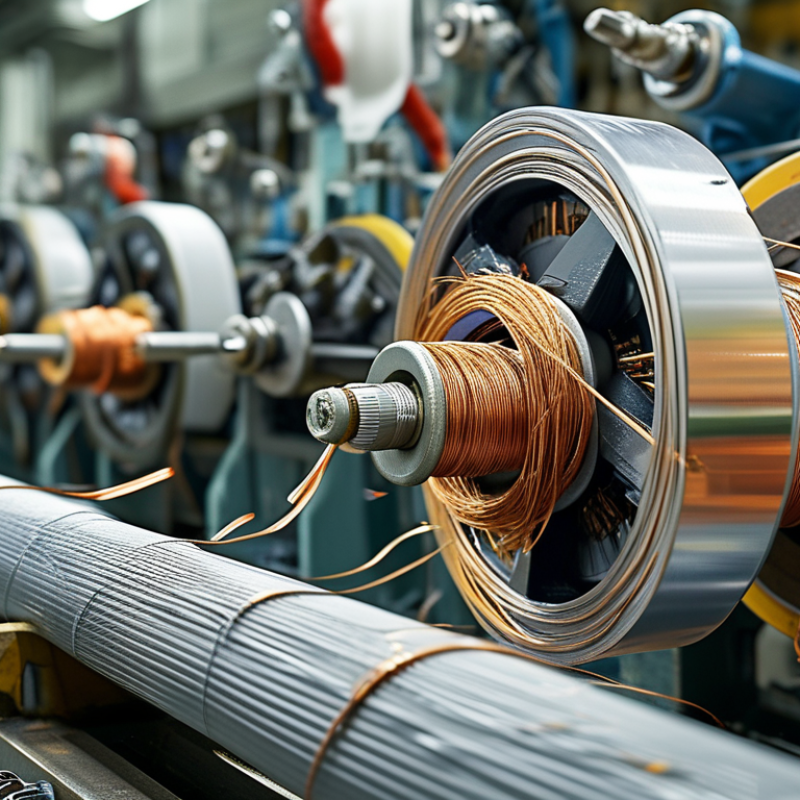
Definition and Functionality of a Horizontal Winding Machine
A horizontal winding machine is a specialized device used primarily in manufacturing. It plays a crucial role in winding wires, cables, and various materials onto spools or reels. This machine operates horizontally, allowing for greater efficiency and ease of access during production. Its functionality extends to industries such as electrical, automotive, and telecommunications. Studies show that the global winding machine market is projected to grow significantly, reaching approximately $4.5 billion by 2027.
The machine’s mechanics rely on precision and speed. It typically features programmable controls that optimize the winding process. This ensures uniform tension and alignment of the materials being wound. However, operators must remain vigilant. Issues like misalignment and inconsistent tension can lead to product defects. A recent report highlighted that improper winding can raise production costs by up to 15%.
Horizontal winding machines also enhance automation in manufacturing. They reduce manual labor and increase production rates. However, this shift may introduce challenges in workforce training and adaptation. Some operators may struggle with advanced programming interfaces. Despite these hurdles, the efficiency gains are undeniable. Data suggest that companies adopting horizontal winding technology often see a 25% increase in output.
Horizontal Winding Machine Production Capacity Over a Year
Key Components of Horizontal Winding Machines
Horizontal winding machines play a crucial role in various industries. A key component of these machines is the winding spindle. This spindle rotates to position the material accurately. Its design ensures that winding is evenly distributed, preventing potential issues like tension irregularities.
Another essential part of horizontal winding machines is the tension control system. This system monitors and adjusts the tension on the material as it winds. This adjustment is vital for maintaining the integrity and quality of the wound product. Without proper tension control, the material may become loose or too tight, leading to defects.
Operators should monitor these machines regularly. Keeping an eye on the winding speed can prevent mistakes. An overly fast speed may compromise quality. Regular maintenance of the machinery is equally important. Neglecting worn-out parts can lead to failure and costly downtime. Reflect on your current processes to identify areas for improvement.
Industries Utilizing Horizontal Winding Technology
Horizontal winding technology is a key component across various industries. Many sectors, such as aerospace, automotive, and renewable energy, leverage these machines for efficient production processes. In aerospace, horizontal winding machines help create composite structures that are lightweight yet strong. This capability is crucial in manufacturing aircraft components, where precision is vital.
The automotive industry also benefits greatly from horizontal winding. Electric vehicle batteries often require precise winding for optimal performance. These machines ensure uniformity and enhance the lifespan of the batteries. In renewable energy, horizontal winding machines play a crucial role in producing wind turbine components. The ability to wind large coils with high accuracy greatly contributes to the efficiency of turbines.
Despite their advantages, there are challenges with horizontal winding machines. Maintenance issues can arise, affecting production timelines. Operators must be trained thoroughly, as improper handling may lead to defects. Awareness of these limitations fosters better practices. Overall, the application of horizontal winding technology shows great promise across various sectors while highlighting the need for continued improvement.
What is a Horizontal Winding Machine and Its Applications? - Industries Utilizing Horizontal Winding Technology
| Industry |
Application |
Materials Used |
Key Benefits |
| Electronics |
Coiling of transformers and inductors |
Copper wire, insulating materials |
Precision, automated winding |
| Automotive |
Production of electric motor components |
Aluminum wire, specialty coatings |
High efficiency, improved performance |
| Aerospace |
Manufacturing of coil systems in aircraft |
Copper alloys, lightweight materials |
Weight reduction, durability |
| Renewable Energy |
Wind turbine generator coils |
Copper wire, composite materials |
Sustainability, efficiency |
| Home Appliances |
Electric motor winding for appliances |
Copper or aluminum wire, insulating materials |
Cost-effective, automated solutions |
Advantages of Using Horizontal Winding Machines
Horizontal winding machines are essential in many industries. These machines are known for their efficiency and precision. They handle various materials, including wires and fibers, enabling accurate winding into precise shapes.
One significant advantage is their ability to optimize production. Horizontal machines streamline the winding process, reducing downtime between operations. This efficiency can lead to significant cost savings over time. Operators appreciate how easy they are to set up and adjust. It also minimizes waste during production, ensuring better resource management.
When using these machines, consider your workspace. Ensure there is adequate room for material handling. This helps maintain workflow and safety. Regular maintenance of the winding machine extends its lifespan. It’s crucial to monitor for wear and tear, allowing for timely repairs.
Operators must receive proper training. A well-informed team can maximize the technology's potential. Mistakes can happen, but understanding machine limits is key. Through practice and experience, the winding process can significantly improve.
Common Applications in Manufacturing and Production Processes
Horizontal winding machines are essential tools in various manufacturing sectors. They create coiled products by winding materials such as wire or textiles around a drum. This process enhances the fabrication of components used in electronics, automotive, and aerospace industries. The precision of these machines ensures uniform coils, which is crucial for consistent product quality.
In production processes, horizontal winding machines are commonly used to manufacture inductors, transformers, and capacitors. Each of these components requires meticulous winding to ensure efficiency and reliability. Additionally, in the textile sector, these machines help in crafting high-quality yarns for various fabric applications. Training operators to handle these machines can be challenging. This highlights the need for continuous learning and skill development.
Improper setup can lead to uneven winding, impacting product performance. Noticing the subtleties in operation is paramount. Regular maintenance and checks are vital to prevent mishaps. Fostering a culture of attention to detail can help improve product quality. Investing time in understanding machine capabilities will lead to better outcomes in manufacturing.
FAQS
: A horizontal winding machine is used to wind wires, cables, and materials onto spools.
Its horizontal layout allows for easier access and greater efficiency during the winding process.
Industries like aerospace, automotive, and renewable energy utilize these machines for production.
They provide precision, speed, and ensure uniform tension in the winding process.
Misalignment and inconsistent tension can lead to defects and increased production costs.
Automation reduces manual labor but may require operators to adapt to complex programming.
Yes, improper handling can lead to defects and affect production timelines significantly.
Operators need thorough training to prevent mistakes, as they can have costly implications.
They ensure precise winding, which enhances battery performance and lifespan.
Yes, ongoing improvements are essential to overcome challenges and maximize efficiency.
Conclusion
A Horizontal Winding Machine is a specialized device used for winding materials such as wire, rope, and film in a horizontal orientation. Its primary function is to ensure consistent tension and uniform winding, which is critical for various manufacturing processes. Key components of these machines typically include a winding drum, a control system, and tensioning devices, all working together to produce high-quality wound products.
Industries such as textiles, electronics, and automotive extensively utilize horizontal winding technology for its efficiency and precision. The advantages of using Horizontal Winding Machines include improved product integrity, reduced labor costs, and enhanced operational efficiency. Common applications often found in manufacturing and production processes range from creating wire spools to organizing cables, highlighting the versatility and essential role of these machines in modern industrial operations.