The manufacturing industry increasingly relies on High Speed Winding Machines. According to a recent report by Market Research Future, the global market for winding machines is expected to grow at a CAGR of 5.2% from 2021 to 2026. This growth reflects the rising demand for efficient production and flexibility in various sectors, including electronics and automotive.
Expert Rodger Smith, a leading authority in winding technology, states, “High Speed Winding Machines redefine productivity in today's manufacturing landscape.” This statement highlights the crucial role these machines play in optimizing production time and reducing waste. However, the fast-paced industry has its challenges. Not all machines can maintain quality while achieving high speeds.
The importance of selecting the right High Speed Winding Machine cannot be overstated. Each model offers unique advantages and challenges. It’s essential to thoroughly assess performance metrics and reliability. Some machines may perform well initially but could falter over time. Such reflections are vital for making informed decisions in an evolving market.
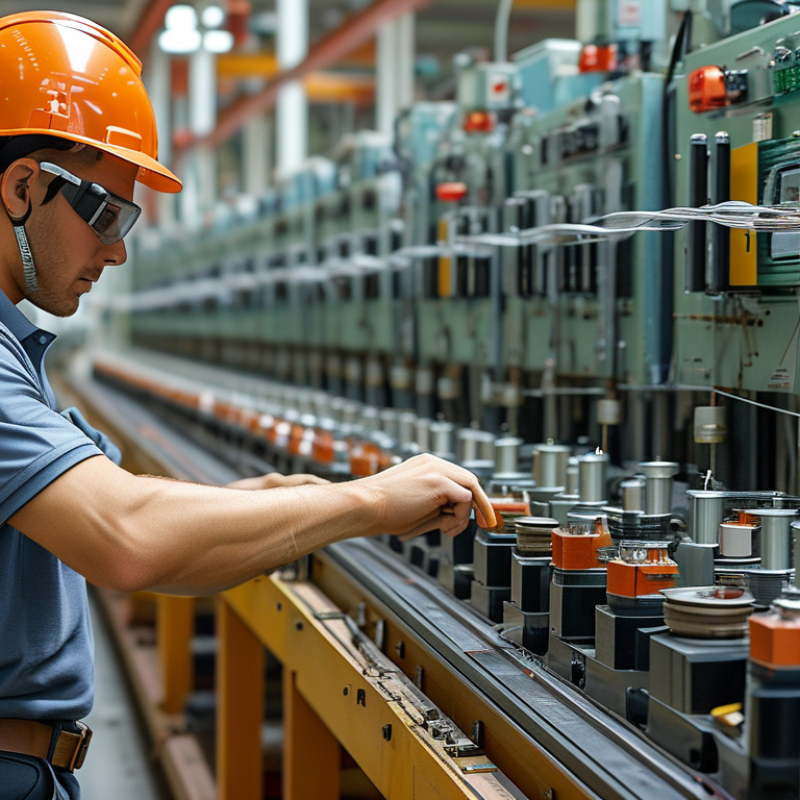
Overview of High-Speed Winding Machines in the Textile Industry
High-speed winding machines play a crucial role in the textile industry. These machines are designed to improve efficiency and increase production rates. Their primary function is to wind yarn or thread onto spools, ensuring tightly wound and uniform products. The need for precision is paramount, as any irregularity can lead to defects in the final fabric.
In recent years, advancements in technology have led to more sophisticated designs. Many machines now incorporate automated features, reducing the need for manual intervention. This not only speeds up the process but also minimizes human error. However, these machines are not without their challenges. Regular maintenance is needed to keep them running smoothly. Operators must be trained to handle unexpected malfunctions or adjustments.
Adopting high-speed winding machines can be a double-edged sword. While they can significantly enhance productivity, businesses must consider the initial investment and ongoing operational costs. Evaluating the balance between speed and quality is critical. In this competitive landscape, understanding the right tools is essential for success.
Key Features to Consider When Selecting a High-Speed Winding Machine
When selecting a high-speed winding machine, several key features should be evaluated carefully. Speed is crucial for production efficiency. Look for machines that can operate at varying speeds to accommodate different materials. A range of speeds allows operators to switch seamlessly between tasks, ensuring versatility. Additionally, the machine's winding tension capability is vital. Proper tension ensures uniform coils, minimizing defects in the final product.
Another important feature is the ease of use. A user-friendly interface can significantly enhance productivity. Operators should be able to adjust settings quickly, reducing downtime. Regular maintenance should also be simple. Complicated machines can lead to more frequent breakdowns, impacting overall efficiency. Reliability is a must; thus, reviewing previous user experiences can provide valuable insights.
While several features enhance functionality, some may not suit all applications. For instance, highly sophisticated machines can be costly without a clear ROI. Assessing your specific needs can prevent unnecessary expenditure. Gaining hands-on experience with different models can also guide your choice effectively. Each application is unique; thus, thorough research and careful consideration of features will lead to the best decision.
High Speed Winding Machines Comparison
Top 10 High-Speed Winding Machines: Performance and Specifications
When exploring high-speed winding machines, performance and specifications take center stage. These machines are crucial in various industries, ensuring efficient production. They can handle intricate winding processes at impressive speeds, enhancing productivity. The type of material used in winding, such as copper or aluminum, significantly affects performance metrics.
Understanding the specifications is vital. Many machines feature versatile tension control settings. This flexibility allows operators to adapt to different materials. However, key aspects like maximum diameter and winding width should align with production needs. Often, these details are overlooked. Make sure to double-check they fit your project requirements.
Tips: If you're considering upgrading your machinery, look into energy efficiency ratings. Energy-efficient machines often lead to long-term savings. Additionally, consult user reviews for insights on reliability and ease of maintenance. Feedback from actual users can reveal potential downsides. Investing time in research can help avoid costly mistakes down the line.
Top 10 High-Speed Winding Machines: Performance and Specifications
| Model |
Max Speed (m/min) |
Bobbin Size (mm) |
Power Consumption (kW) |
Weight (kg) |
| Model A |
600 |
100 |
10 |
200 |
| Model B |
800 |
120 |
12 |
210 |
| Model C |
700 |
110 |
11 |
195 |
| Model D |
750 |
130 |
14 |
220 |
| Model E |
650 |
140 |
9 |
180 |
| Model F |
500 |
150 |
8 |
170 |
| Model G |
900 |
160 |
15 |
230 |
| Model H |
720 |
170 |
13 |
200 |
| Model I |
850 |
190 |
16 |
250 |
| Model J |
780 |
200 |
10 |
240 |
Applications of High-Speed Winding Machines in Various Industries
High-speed winding machines play crucial roles across various industries. These machines excel in efficiently winding materials such as wires, cables, and tapes. Their applications span electrical engineering, textiles, and automotive industries. In electrical engineering, high-speed winding machines are vital for producing transformers and inductors, ensuring precision and speed. In textiles, they help create tightly wound yarns, promoting quality in fabric production.
Using high-speed winding machines can boost productivity, but there are challenges. Operators must ensure optimal settings to prevent material wastage. If not calibrated properly, machines may lead to uneven winding. This affects the final product and can result in costly reworks.
Tips: Always monitor machine parameters regularly. Conduct training sessions for your team. A well-informed operator can minimize errors and enhance output quality. Quality control checks should be implemented after each batch to maintain standards. Keep an eye on wear and tear; machines need maintenance to operate efficiently.
Comparison of the Leading High-Speed Winding Machines on the Market
The winding machine market has evolved rapidly. High-speed machines are at the forefront of this advancement. According to a recent industry report, the demand for high-speed winding machines is expected to grow at a CAGR of 6.5% over the next five years. This growth is driven by increasing automation in manufacturing processes and the need for efficiency.
When comparing leading high-speed winding machines, several factors come into play. Speed and precision are critical. Machines that can operate at speeds exceeding 500 RPM often stand out. Features like advanced tension control and programmable settings further enhance performance. However, complexity in setup can be a drawback. Some users report that intricate controls make the machines less user-friendly.
Another aspect to consider is maintenance requirements. While high-speed machines bring productivity benefits, they may also demand more frequent servicing. Reports indicate that about 15% of production downtime is attributed to machine errors. This reality prompts a re-evaluation of reliance on speed alone. Ultimately, balancing speed, ease of use, and maintenance is essential for optimal performance.
FAQS
: Their main purpose is to wind yarn or thread onto spools, ensuring uniform products.
Modern machines feature automated options, which reduce manual effort and lower human error.
Regular maintenance is crucial to avoid unexpected breakdowns. Operators should be trained for adjustments.
It’s important to weigh the initial costs against long-term operational expenses and productivity gains.
Specifications like tension control and maximum diameter must match project needs to prevent issues.
They are used in textiles, electrical engineering, and automotive sectors for winding various materials.
Poor calibration can lead to uneven winding, affecting product quality and resulting in reworks.
Regular monitoring of machine parameters and conducting training can minimize errors and improve quality.
They can lead to increased waste if not set optimally, affecting efficiency and costs.
Energy-efficient machines may offer long-term savings, making them a worthwhile investment.
Conclusion
High speed winding machines play a crucial role in the textile industry, enabling efficient production by automating the winding process of various materials. When selecting a high speed winding machine, key features such as speed, precision, and ease of operation should be considered to ensure optimal performance and suitability for specific applications.
The article outlines the top 10 high speed winding machines available in the market, highlighting their performance and specifications. Additionally, it discusses the diverse applications of these machines across various industries, emphasizing their versatility and importance in modern manufacturing. A comparison of leading models provides insights for businesses looking to invest in advanced winding technology that enhances productivity and quality.