
In the world of manufacturing, the choice of a Copper Winding Welding Machine is crucial. Industry expert Dr. Mark Thompson emphasizes, “The right machine can significantly enhance efficiency and quality.” With so many options available, selecting the best equipment for specific needs can be daunting.
Copper winding welding machines are essential for various applications. They are used in industries like motors, transformers, and generators. However, not all machines offer the same performance or reliability. Some models may excel in speed but lack precision. Others might be robust but inefficient. Thus, finding the right balance is key.
Additionally, user feedback is vital. Many users report challenges with functionality and maintenance. Understanding these insights helps in making informed decisions. Investing in a copper winding welding machine should consider not only the initial cost but also long-term performance and support. Making the right choice can lead to improved productivity and reduced downtime.
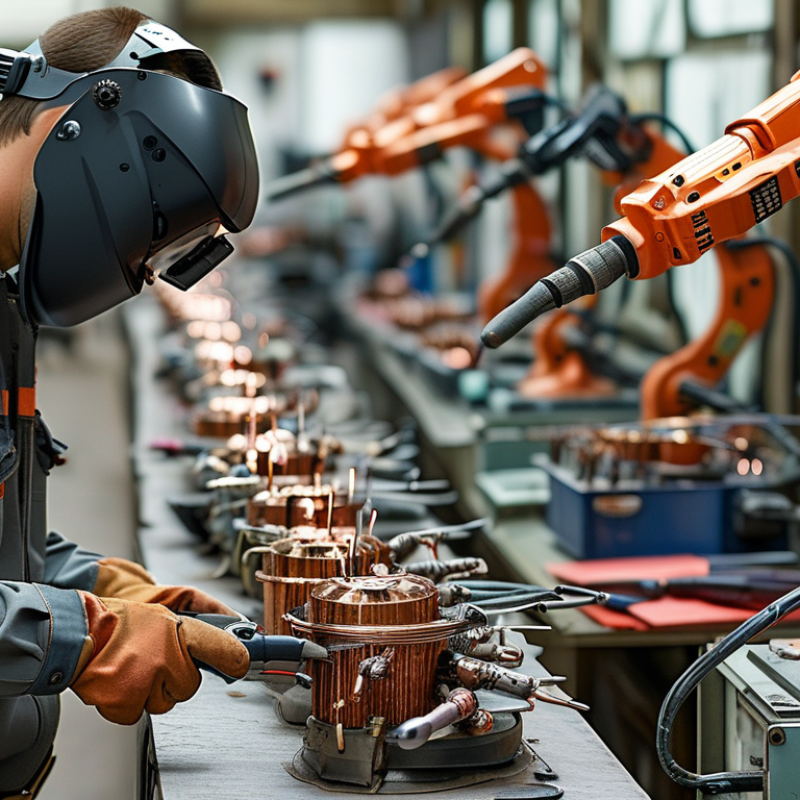
Copper winding welding machines play a crucial role in various industries. Their primary application is in manufacturing electric motors, generators, and transformers. These machines ensure that copper coils are precisely wound and welded, which affects the overall performance of electrical devices. Proper welding contributes to efficiency and durability, making it a vital step in production.
Understanding the operation of these machines is essential. They use advanced techniques to join copper wires securely. The process requires expertise to avoid common pitfalls like poor connection or overheating. Operators must constantly monitor the machine settings. Even small adjustments can lead to significant changes in output.
Training and experience are key. It's important to know the machine's capabilities and limitations. Some machines may struggle with thicker wires. Others might not provide the desired consistency. Regular maintenance is also necessary for optimal performance. This aspect can often be overlooked, leading to inefficiencies and breakdowns. Crafting a reliable setup involves continuous learning and adaptation.
When evaluating a copper winding welding machine, certain key features stand out. First, consider weld quality. A machine must provide consistent, high-quality welds to ensure durability. According to industry reports, machines that maintain a stable arc under varying conditions significantly enhance the welding process. This stability can lead to fewer defects and lower operational costs.
Another critical feature is the machine's power output. A reliable copper winding welder should have sufficient voltage and amperage to handle diverse projects. Data shows that machines with adjustable settings allow for greater flexibility. This adaptability is vital, especially when working with different wire gauges or materials. Importantly, ease of use cannot be overlooked. Operators should quickly understand controls, minimizing learning curves and enhancing productivity.
Lastly, durability and maintenance support are often undervalued. Machines with robust construction often outlast their counterparts, but they may also require more complex maintenance. Addressing this can be challenging, as operators must balance maintenance with production needs. Understanding these elements helps operators make informed decisions. Investing in a machine that meets specific requirements can lead to long-term benefits, even if it demands a higher upfront cost.
When selecting a copper winding welding machine, understanding the leading brands and models is crucial. According to industry reports, the demand for copper winding welding machines has surged by 15% in the past year alone. This upward trend highlights the importance of reliable machinery in various industrial applications, from motors to generators.
Top brands often emphasize technological advancements, offering machines with features like programmable controls and energy-efficient designs. Professional welders frequently recommend models that provide consistent performance at varying temperatures. This adaptability is essential, as copper requires precise heat management to avoid melt-through or distortion.
User feedback reveals that machines that combine ease of use with high durability remain in demand. However, many consumers report challenges with maintenance and repair, suggesting that even the best machines require proper handling. These insights reinforce the idea that investing in a quality machine is not just about initial cost but long-term performance and reliability.
Welding techniques for copper winding vary significantly. Knowing these differences can influence your choice of equipment. One popular method is TIG welding, known for its precision. It creates strong, clean welds without fillers, making it ideal for delicate tasks. However, mastering TIG requires practice, and mistakes can be costly.
In contrast, MIG welding is faster and easier for beginners. It uses a continuous wire feed, allowing for quick project completion. Nevertheless, it may result in less precise seams and requires more post-weld cleanup. For copper, contamination can be a concern, as impurities weaken the weld.
Stick welding sees less use in copper winding but has its place. It’s robust and can work in irregular conditions. However, it often creates heavier deposits, which might not be suitable for all projects. Each method has its pros and cons, and your specific needs should guide your choice. Balancing speed, precision, and ease can be challenging. Reflecting on these factors early will lead to better decisions.
Maintaining a copper winding welding machine is crucial for its longevity and performance. Regular maintenance can significantly extend its lifespan. According to industry data, a well-maintained machine can last up to 40% longer than one that is neglected. Inspecting electrical components regularly for wear or damage helps avoid unexpected breakdowns.
Cleaning the welding machine frequently is vital. Dust and debris can accumulate and impact performance. Keeping vents clear helps prevent overheating. It is essential to replace consumables like welding tips and nozzles as they wear out. A worn tip can lead to excessive heat and damage the machine. A report from the American Welding Society emphasizes that proper maintenance can reduce repair costs by nearly 30%.
Another critical point is ensuring that the machine is stored in a suitable environment. Humidity and extreme temperatures can harm components. Regularly checking the wiring for fraying or corrosion can avert major issues later. Being proactive in maintenance not only improves performance but also inspires confidence in operators. Ignoring these factors can lead to serious setbacks and costly repairs.
| Machine Model | Max Output (Amps) | Duty Cycle (%) | Weight (lbs) | Price (USD) |
|---|---|---|---|---|
| CW-200 | 200 | 60 | 40 | 750 |
| CW-250 | 250 | 50 | 45 | 850 |
| CW-300 | 300 | 40 | 60 | 950 |
| CW-350 | 350 | 35 | 70 | 1100 |
| CW-400 | 400 | 30 | 80 | 1300 |
: These machines are essential in manufacturing electric motors, generators, and transformers. They ensure precision in welding copper coils.
Training helps operators understand the machine's capabilities. Without proper knowledge, they might encounter poor connections or overheating issues.
Consistent weld quality is crucial. Monitoring machine settings can help enhance output and minimize defects during the welding process.
Key features include high weld quality, sufficient power output, and user-friendly controls. Flexibility for various wire gauges is also important.
Regular cleaning, inspecting components, and replacing worn tips are vital. A neglected machine can break down and incur higher repair costs.
Welding machines should be kept in dry, temperature-controlled environments. Humidity and extreme temperatures can damage their components.
Ignoring maintenance can lead to inefficiencies, higher repair costs, and a shorter machine lifespan. Proactive care is essential for reliable operation.
Yes, complex maintenance requirements can strain production needs. Balancing maintenance with operational demands is a common challenge for operators.
Lack of monitoring can lead to significant output changes. This might result in poor weld quality or equipment failures.
Yes, common issues include poor connections and overheating. Both can arise from a lack of operator expertise and machine knowledge.
Copper Winding Welding Machines are essential tools in various industrial applications, particularly in the fields of electronics and electrical engineering. Understanding their functionality and the specific needs of your projects is crucial for selecting the right machine. When choosing a Copper Winding Welding Machine, important features to consider include welding speed, precision, and durability.
In addition, it is beneficial to review various welding techniques applicable to copper winding, as this can impact the quality of your work. Moreover, regular maintenance is key to prolonging the lifespan of your welding machine, ensuring it operates efficiently over time. By analyzing these aspects, you can make an informed decision that meets your needs effectively.
