
The 2026 price of an LV Winding Machine depends on more than its purchase tag. Coil size, wire range, winding speed, automation, and control accuracy all shape the final cost. A compact manual unit may suit occasional production, while a programmable machine can support repeatable batches and reduce setup time. The right choice depends on the work it must do. Small details matter.
Manufacturing quality expert W. Edwards Deming said, “Quality comes not from inspection, but from improvement of the production process.” His principle is relevant to winding equipment: a low quote means little if tension varies, settings drift, or service support is slow. This guide compares price drivers and buying considerations, including spindle capacity, tension control, recipe storage, operator training, warranty coverage, and spare-part availability. Ask suppliers for a demonstration using your actual wire and coil specifications. Then check the finished winding, not just the machine’s display.
Price lists rarely tell the whole story. Installation, tooling, software, maintenance, and operator training may add to the initial investment. Some buyers also need custom fixtures or tighter tolerances, which can change the quote. Compare written specifications and request a detailed quotation before deciding. A higher-priced machine is not automatically better, either. This guide offers a practical way to weigh cost against production needs, while noting where assumptions should be checked with the supplier. One point deserves reflection: the cheapest option can become expensive when output is inconsistent.
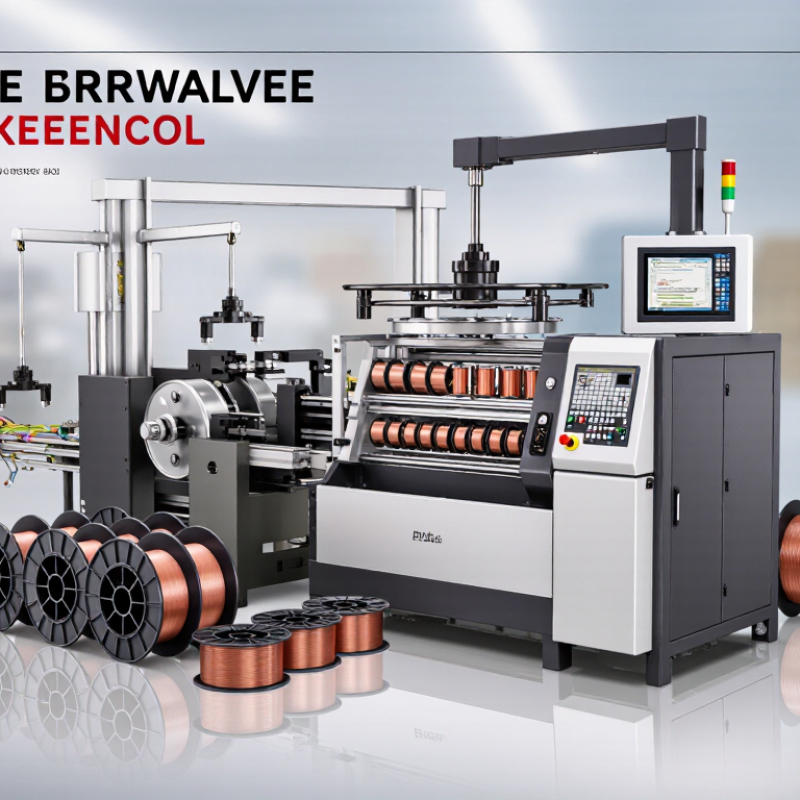
An LV winding machine forms the low-voltage coil inside a transformer. It feeds copper or aluminum conductor onto a former or transformer core, while a tension system controls the wire. A traverse guide places each turn beside the previous one, building even layers. The operator sets turn count, winding speed, tension, and layer spacing to match the coil design. Some machines wind round wire; others handle flat foil or strip. Insulation may be added between layers, depending on the design. Small errors matter. Loose turns can shift, while excessive tension may damage conductor insulation.
The process sounds simple. It isn’t. Operators check alignment, tension, and turn counts during production, then inspect the finished coil for uneven edges or damaged insulation. The IEA’s Electricity 2024 report forecasts average global electricity-demand growth of about 3.4% per year from 2024 to 2026. Its 2023 Electricity Grids and Secure Energy Transitions report says annual grid investment needs to rise from roughly $300 billion to more than $600 billion by 2030. These figures point to expanding grid-equipment needs, but do not directly predict winding-machine sales. For buyers, the practical question is whether a machine can handle the required conductor type, coil dimensions, and repeatable tension—not just its maximum speed.
LV winding machines generally fall into three groups: manual, semi-automatic, and CNC models. Manual machines suit repair shops and low-volume work. The operator guides the wire, so results depend heavily on steady hands. Semi-automatic machines control rotation while an operator manages setup and wire placement. CNC models follow programmed winding patterns and are useful for repeat production. More automation is not always better. A small workshop may pay for functions it rarely uses.
Check the wire-diameter range against the actual conductors in your work. Also compare maximum coil diameter, winding width, spindle speed, and available torque. Speed matters, but stable low-speed control is often more useful for delicate wire. A tensioner should feed wire evenly without flattening its insulation. Look for adjustable traverse settings, clear controls, and a mandrel that fits your coil forms. Small details matter.
Price depends on capacity, control features, and build quality, so compare machines using the same specifications. Ask how quickly settings can be changed between jobs. A memory function can reduce setup time, but only if its controls are easy to learn. Check the frame for vibration and inspect the wire path in person when possible. Catalog figures can look convincing. Real coils may disagree. A machine with a broad speed range may still feel awkward if its tension control is crude.
For 2026 planning, indicative equipment-only prices are about USD 5,000–15,000 for basic manual machines, USD 15,000–45,000 for semi-automatic models, and USD 45,000–150,000 or more for CNC systems. These are budgeting ranges, not audited market averages; public industry reports rarely disclose verified transaction prices for individual winding machines. Prices vary. A machine winding copper wire onto small LV coils may need less automation than one handling heavier conductors, larger bobbins, and repeatable multi-layer winding. Ask suppliers to specify wire-size range, tension control, spindle capacity, and included tooling.
The International Energy Agency’s 2023 report, Electricity Grids and Secure Energy Transitions, says annual grid investment needs to exceed USD 600 billion by 2030, roughly double current levels. That grid expansion supports demand for electrical equipment, but it does not set winding-machine prices. Compare quotes on the same basis: installation, freight, training, software, and spare tooling can change the delivered cost substantially.
Honestly, the cheapest quote can be misleading if setup support is thin or changeovers take hours. I would also request a sample winding trial using your actual wire and coil dimensions. One uncomfortable detail: published price ranges often hide these production costs.
LV winding machine costs in 2026 depend less on a single headline price than on the job the machine must handle. Maximum coil dimensions, wire diameter, and required winding speed all affect the frame, drive system, and controls. A machine designed for large, heavy coils may cost more because it needs greater structural strength and precise tension control. Small details matter, too. Different wire sizes or winding patterns can require extra guides, mandrels, or tooling.
Automation is another major cost factor. Programmable recipes and automatic wire feeding can reduce setup time, but they add to the purchase price and may require operator training. Ask what is included: installation, calibration, spare parts, and technical support can change the total cost. A low quote may not cover these items. Check the service terms carefully.
Match features to your production needs. If operators make frequent coil changes, quick adjustments may save valuable time. For a stable, low-volume process, simpler controls could be enough. Compare machines using the same coil specifications and included services. A precise cost comparison is difficult without those details. And it is easy to overestimate future needs; I would review actual production records before paying for unused capacity.
Choosing an LV winding machine starts with the transformer designs you actually produce. Record conductor width, insulation thickness, coil dimensions, and daily batch volume. A machine suited to thin copper strip may struggle with wider conductors or frequent material changes. Check the usable winding width and coil diameter against your largest and smallest jobs, not just your typical one.
Speed matters, but control matters more. Ask how the machine manages tension, layer alignment, and stopping accuracy. A sample winding can reveal loose edges, uneven layers, or insulation damage before installation. Bring your own conductor and insulation for the test. Watch the operator load materials and adjust settings; awkward changeovers can quietly reduce output. Small details matter.
Match automation to your staff and production mix. Programmable recipes help when jobs repeat, while straightforward controls may be easier for varied, short runs. Confirm what training, spare parts, and service support are available, and ask for realistic setup and maintenance times. Compare total operating needs, not only the purchase price. A fast machine may look attractive on paper, yet be underused if changeovers take too long. It is worth questioning your assumptions: forecast volumes can be wrong, and no single specification tells the whole story.
It winds copper or aluminum conductor into a low-voltage transformer coil. A guide places each turn beside the last.
Operators set turn count, speed, tension, and layer spacing. Small errors matter. Too much tension can damage insulation.
Some machines handle round wire, while others wind flat foil or strip. Check the machine against your actual conductor width and coil dimensions.
Bring your own conductor and insulation for a sample winding. Inspect the edges, layers, and insulation. Test it.
Not always. Tension control, alignment, and stopping accuracy can matter more than top speed.
Watch an operator load materials and adjust settings. Awkward changeovers can reduce output, even when the machine runs quickly.
Programmable recipes can help with repeat jobs. Simple controls may suit varied, short runs better. Your production mix matters.
No. Forecasts indicate rising electricity demand and grid investment needs, but they do not directly predict winding-machine sales. Our assumptions can be wrong.
This guide explains what an Lv Winding Machine does and how it forms low-voltage coils by controlling wire tension, winding patterns, and turn counts. It introduces common machine types and the specifications buyers should compare, such as winding capacity, operating speed, accuracy, automation level, and compatibility with different coil designs. Understanding these basics can help manufacturers match equipment to their production requirements.
The guide also outlines typical LV winding machine prices in 2026 and the factors that affect total cost, including capacity, features, customization, and service needs. Rather than focusing on the lowest price alone, buyers should assess expected output, product variety, available floor space, operator skills, and long-term maintenance. Comparing these needs with machine specifications and clearly itemized quotations can support a practical, cost-effective purchasing decision.
