
The advancement of technology is reshaping industries, and the coil winding sector is no exception. According to a recent report by MarketsandMarkets, the global coil winding machine market is expected to reach $3.5 billion by 2026, with automation playing a crucial role in this growth. The demand for precision and efficiency in manufacturing has fueled the rise of Coil Winding Machine Automatic systems, which are essential for modern production lines.
As manufacturers strive to meet high-quality standards, these machines offer enhanced reliability and speed. However, the transition to automatic systems can be challenging. Companies must assess their specific requirements and consider factors such as integration with existing processes. The latest coil winding technology minimizes material waste and increases output, yet finding the right balance between automation and customization remains a point of reflection for many.
In this evolving landscape, understanding the key features of these machines is vital. The right Coil Winding Machine Automatic can significantly impact productivity. Yet, it is important for organizations to remain aware of potential operational hurdles and stay informed on best practices. Continuous improvement in this field requires investment in training and equipment, ensuring that businesses remain competitive.
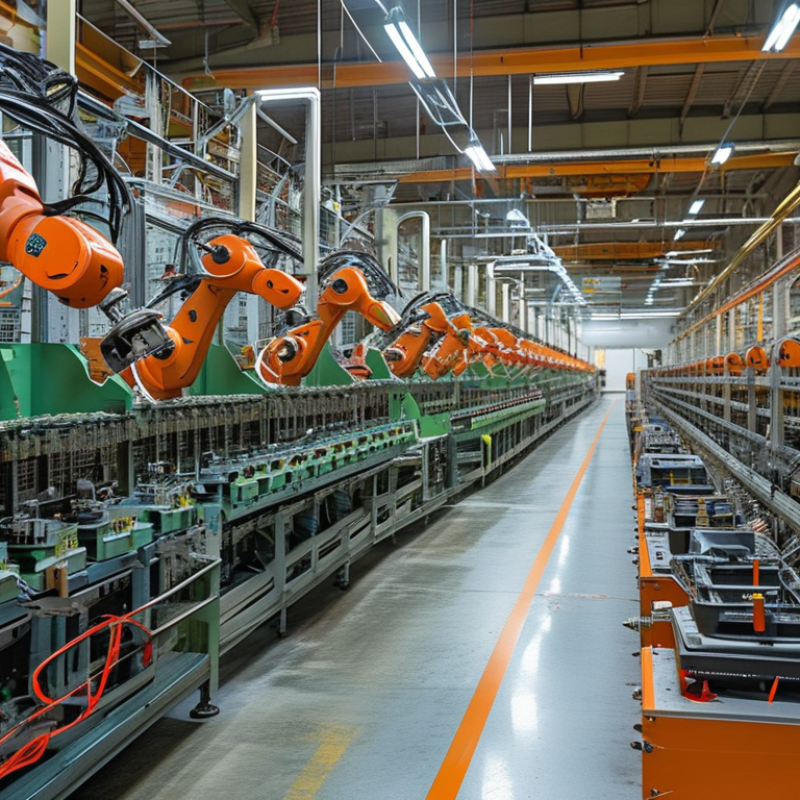
In 2026, coil winding machines are evolving rapidly. These machines are crucial in the production of transformers, motors, and inductors. According to a recent industry report, the global coil winding machine market is projected to grow at a compound annual growth rate (CAGR) of 5.8% through 2026. This growth highlights the demand for advanced automation in manufacturing processes.
Today's coil winding machines feature enhanced automation capabilities. Many models now include intelligent control systems that optimize winding efficiency. These systems reduce the risk of human error, which is a common concern in manual processes. Additionally, automatic tension control ensures consistent wire quality, minimizing defects. Despite these advancements, some operators report challenges in training staff to adapt to new technologies.
Sustainability also plays a vital role in 2026. Manufacturers are increasingly seeking machines that reduce waste and energy consumption. A recent study revealed that machines with energy-efficient motors can cut operational costs by 30%. However, integrating sustainable practices remains a challenge for many in the industry. The transition is not instantaneous, and it requires investment and commitment from stakeholders.
Modern coil winding machines incorporate a range of automatic features that enhance efficiency and precision. One key feature is automatic wire feed. This mechanism ensures consistent tension throughout the winding process. It minimizes the risk of wire breaks or uneven layers. Accurate tension is crucial for high-quality winding and longer-lasting coils.
Another vital automatic feature is the programmable control system. Users can input specific winding parameters. These include coil dimensions, layer counts, and winding speeds. Such customization improves production flexibility, adapting to various project demands. The programmable controls also reduce the chance of human error, improving the reliability of operations.
Integration with data analytics is becoming common in coil winding machines. Analytics tools track performance metrics and seek opportunities for improvement. While this feature is beneficial, it requires skilled personnel to interpret the data accurately. Balancing automation with human oversight is essential for optimizing the winding process. Achieving this balance can be challenging, yet it is necessary for long-term success.
Automation in coil winding processes brings numerous advantages that enhance production efficiency and product quality. According to a recent industry report by Technavio, automated coil winding machines can improve production speeds by up to 30%. This increase is vital in meeting the growing demand across sectors such as automotive and electronics. Utilizing precise algorithms, these machines minimize human error, ensuring uniform coil structures. Accurate winding promotes better electrical performance, which is critical in high-tech applications.
However, integrating automation is not without its challenges. Initial investment costs can be high, often requiring financial planning and analysis. Small to medium enterprises may struggle to justify this expense. Additionally, while automation reduces labor costs in the long run, there may be a transitional phase where teams need retraining. A survey from Industry Week shows that 34% of manufacturers face resistance from employees adapting to new automated systems. Thus, addressing human factors and workforce adaptation is essential for successful implementation.
The reliability of automated machines is another crucial aspect. Regular maintenance and updates are essential to ensure optimal performance. As these technologies evolve, staying updated with industry benchmarks is necessary. The shift towards automation in coil winding is clear but not without its quirks and hurdles. Balancing human oversight with machine efficiency requires ongoing reflection and strategic planning.
Technological innovations in coil winding machines are transforming the manufacturing landscape. Recent studies indicate that the market for coil winding machines is expected to reach $1.5 billion by 2026. Advances in automation and control systems are significantly improving productivity and efficiency in winding processes. Automated features such as real-time monitoring and adaptive winding profiles allow for precise and consistent coil production, catering to diverse industry needs.
Tips: Consider investing in machines with integrated sensors. These sensors can enhance quality control and reduce downtime.
Machine learning algorithms are enhancing the design of coil winding machines. By analyzing historical data, these algorithms can optimize winding parameters. This leads to better energy efficiency and reduced material waste. However, the integration of these complex technologies can create a steep learning curve for operators.
Tips: Regular training sessions for staff can ease the transition to new technologies. This ensures maximum utility from advanced machines.
As the industry adopts more sophisticated solutions, the ability to adapt quickly is vital. Companies must remain vigilant about observing performance metrics and addressing emerging challenges. The evolving landscape demands that manufacturers focus on innovations that genuinely improve operations while being mindful of potential drawbacks.
Automation in coil winding machines has transformed production efficiency. Machines equipped with advanced technologies reduce manual labor and increase output speed. This improvement can lead to a significant rise in production volumes. Many manufacturers have reported a 30% increase in productivity after adopting automated features.
However, the impact of automation goes beyond numbers. Quality control becomes more precise with automated systems. They ensure consistent tension and alignment in the winding process, reducing defects. Yet, reliance on automation poses challenges. Technical issues can lead to downtime, affecting production schedules. Operators must possess technical skills to troubleshoot and maintain machines effectively.
As companies embrace automation, they must reflect on potential pitfalls. Balancing automation with human oversight is crucial. Learning to work alongside machines can enhance overall capabilities. Continuous training for employees ensures they can adapt to evolving technologies. This blend of human expertise and automated efficiency is key to thriving in a competitive landscape.
: Automatic wire feed is key. It keeps tension consistent and minimizes wire breaks.
Users set specific parameters like dimensions and speeds. This adaptability reduces errors and improves production.
It tracks performance metrics for improvement. Skilled personnel are needed to interpret data effectively.
Automation can increase production speeds by up to 30%. This is crucial for high-demand industries.
High initial costs and the need for retraining can be hurdles. Small enterprises may struggle with expenses.
Yes, a survey shows 34% of manufacturers face pushback from employees adapting to automation.
Regular maintenance ensures optimal performance and prevents breakdowns. It’s essential to stay updated with technology.
Balancing machine efficiency with human oversight can be challenging. It requires continuous reflection and planning.
It promotes better electrical performance, essential for high-tech applications.
Financial planning and employee adaptation are crucial for successful implementation.
In 2026, the landscape of coil winding machines has evolved significantly with advanced automatic features that enhance productivity and precision. These modern Coil Winding Machine Automatic systems incorporate sophisticated technologies such as smart sensors and adaptive control mechanisms, which streamline the winding process and ensure consistent quality. The automation allows for greater flexibility in operations, reducing manual intervention and minimizing human error.
The advantages of automation in coil winding processes are manifold, including increased production efficiency and improved product consistency. Technological innovations have led to faster setup times and the capability to handle intricate winding designs, thereby meeting the growing demands of various industries. As these advancements continue to shape the future of coil winding machinery, manufacturers can expect enhanced operational efficiency and superior quality in their output.
